

Interactive & Sensors
Interactive Installations and Sensors in Israel
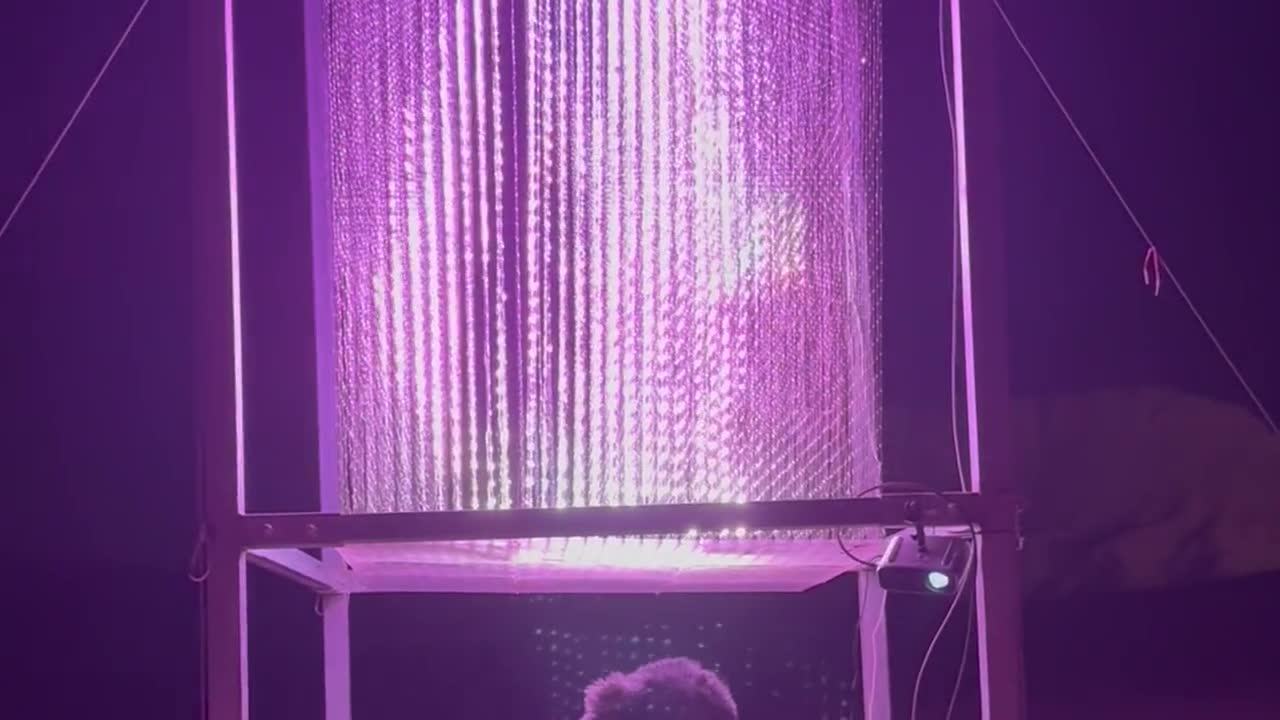
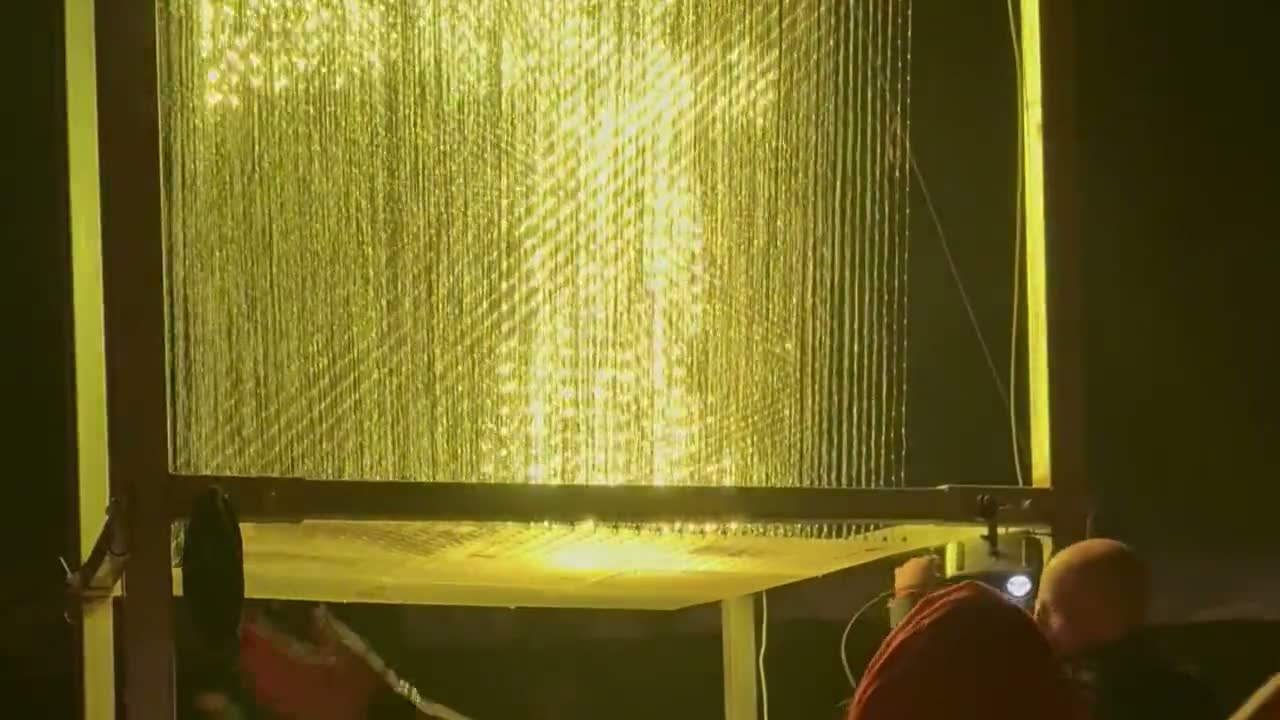
DepthLab, the Tel Aviv studio of Zori Baazov, builds interactive installations and interactive content for museums, malls, venues, events, music shows and parties across Israel. Depth cameras, LiDAR and markerless body tracking let the content respond to the people in front of it, with nothing to wear or hold. The studio plans the sensors, builds the real-time content in tools such as TouchDesigner, Unreal Engine and GLSL, then installs and tunes it on site. Work includes an LED cube at Midburn, where at night the people around it became part of the visuals, and a real-time AI mirror in R&D.
Related work
All work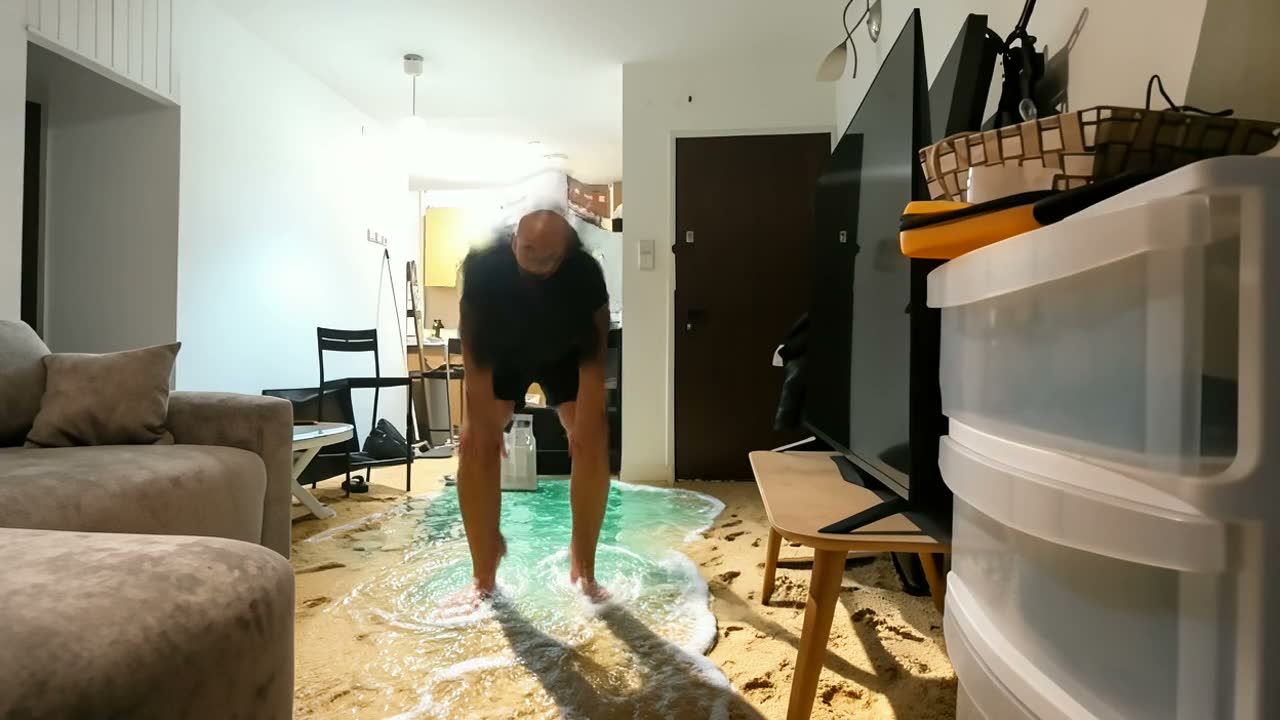
What's included
- Motion tracking with depth cameras and LiDAR
- Markerless body tracking: nothing to wear or hold
- Interactive projection, interactive walls and floors, and LED content that respond to movement
- Content for music shows, parties and festivals, where the people in the space become part of the visuals
- Real-time content and creative coding in TouchDesigner, Unreal Engine and GLSL
- Sensor setup, calibration and testing on site
How it works
Idea and space
We look at the space, the visitors or the audience, and what they should do in front of the piece.
Sensors
Depth cameras or LiDAR are chosen to detect movement and placed for the area that needs tracking.
Content and logic
The content and the way it responds are built and tested with people moving in front of it.
Install and tune
On site, the tracking and the content are tuned to the real light and space.
Frequently asked questions
Who makes interactive installations in Israel?
DepthLab, the Tel Aviv studio of Zori Baazov, builds interactive installations across Israel, with depth cameras, LiDAR and body tracking, so the content responds to people. Work includes an LED cube at Midburn, where at night the people around the cube became part of the visuals, and a real-time AI mirror in R&D.
Can interactive content be part of a music show, a party or a festival?
Yes. At Midburn, the people around the LED cube that Zori built at home became part of the visuals at night. Content can also react to the music itself: for Omri Smadar's live shows, the studio made audio-reactive visuals for each song with a live closed-circuit camera. For a new piece, the studio can plan depth cameras or LiDAR that track where people are and how they move, so the visuals change with them in real time.
Can you build an interactive wall or floor for a mall or a museum in Israel?
Yes. DepthLab plans the sensors, usually depth cameras or LiDAR, builds the real-time content in TouchDesigner, Unreal Engine or GLSL, then installs and tunes it on site, anywhere in Israel. The content can respond to steps, gestures or simply to people walking by, on a projected wall or floor or on LED screens.
How does a projection that responds to movement work, with no sensors on the body?
A depth camera measures the distance to every point it sees, so the software can find people and follow their movement without suits, markers or wearables. That movement becomes data, and the content on the wall, the floor or the screen changes in real time. DepthLab is developing an immersive rehabilitation room with markerless body tracking on depth cameras, for a hospital's clinical team.
What is a depth camera, and when is LiDAR used instead?
A depth camera measures how far each point in front of it is, so the software can separate people from the background and follow their bodies at close range. Many depth cameras use infrared light, so they also work in a dark projection space. LiDAR measures distance with laser light and is often used to detect presence or touch across a wall or a floor. DepthLab chooses the sensor by the size of the area and the light in the space.
Can an interactive installation use AI?
Yes. In DepthLab's real-time AI mirror, the visitor's live camera image is the input: you stand in front of a camera and see yourself in another world. It runs locally on one GPU at about 10 FPS and is still in R&D.
Can an interactive installation run all day without staff?
Yes, when it is planned as a permanent piece with automatic start-up and simple controls for the staff. The studio's permanent installation in three VIP rooms already runs daily with no operator: venue staff choose the content in Resolume Arena.
What affects the cost of an interactive installation?
DepthLab does not publish prices. The main factors are the size of the area, the number of sensors, screens or projectors, how complex the interaction is, how much content is made, and whether it is for one event or permanent.
Let's build something.
Send a DM on Instagram or a message to Zori Baazov on LinkedIn with the venue, the date and what you have in mind.