Who does live visuals and VJ for concerts and club nights in Israel?
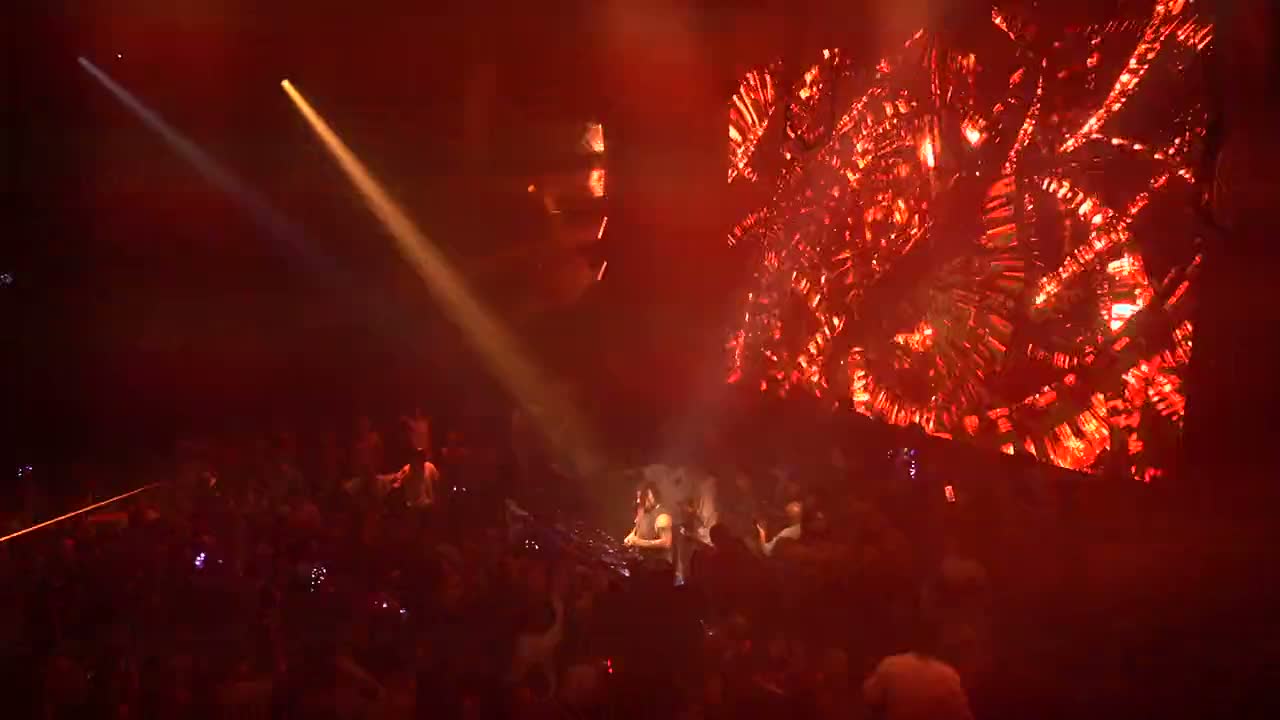
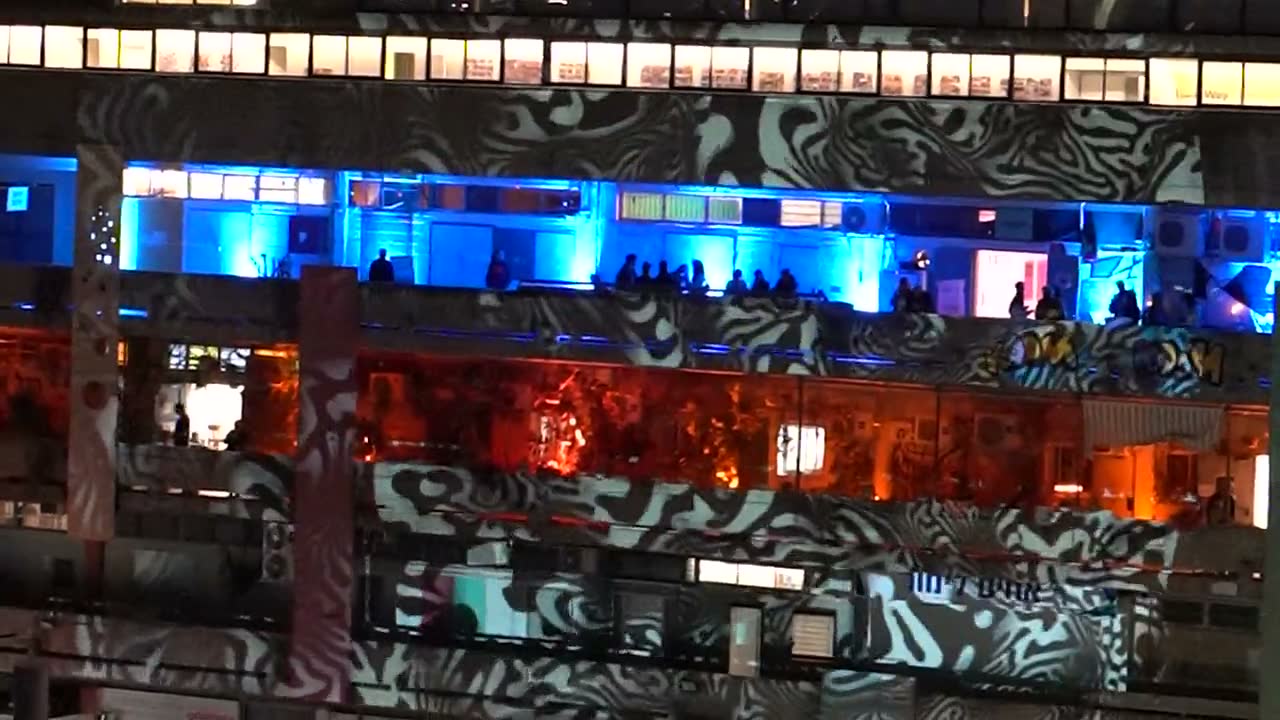
DepthLab, the Tel Aviv studio of VJ Zori Baazov, designs and runs live visuals and video art for concerts, club nights, parties and festivals across Israel. Work includes the timecode show for Daskal, club nights at Oman 17 in Tel Aviv and the visuals for three stages at White Night at the Tel Aviv Museum of Art.
Who can create interactive visual content for an audiovisual show in Israel?
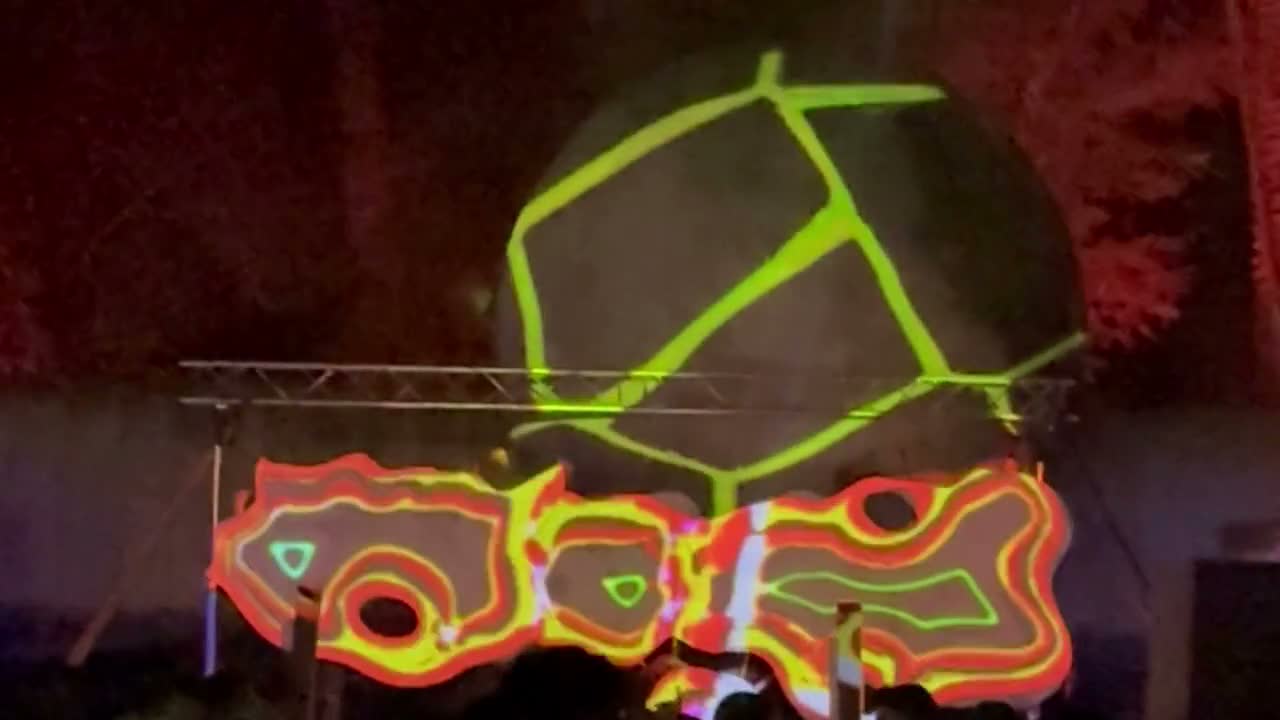
DepthLab, the Tel Aviv studio of VJ Zori Baazov, creates and runs visuals for music shows across Israel and builds interactive installations that respond to people. The show visuals include content that changes with the sound and real-time generative scenes. For Omri Smadar's live shows, each song got its own audio-reactive visuals with a live closed-circuit camera, and for his party the studio designed the stage and mapped video onto an inflatable moon and a carved wooden log. At Midburn, the people around an LED cube that Zori built became part of the visuals at night. For a new piece that follows people's movement, the studio can plan depth cameras, LiDAR or body tracking. Zori's tools include TouchDesigner, Resolume Arena, Unreal Engine 5 and GLSL.
What does a VJ do at a concert or a club night?
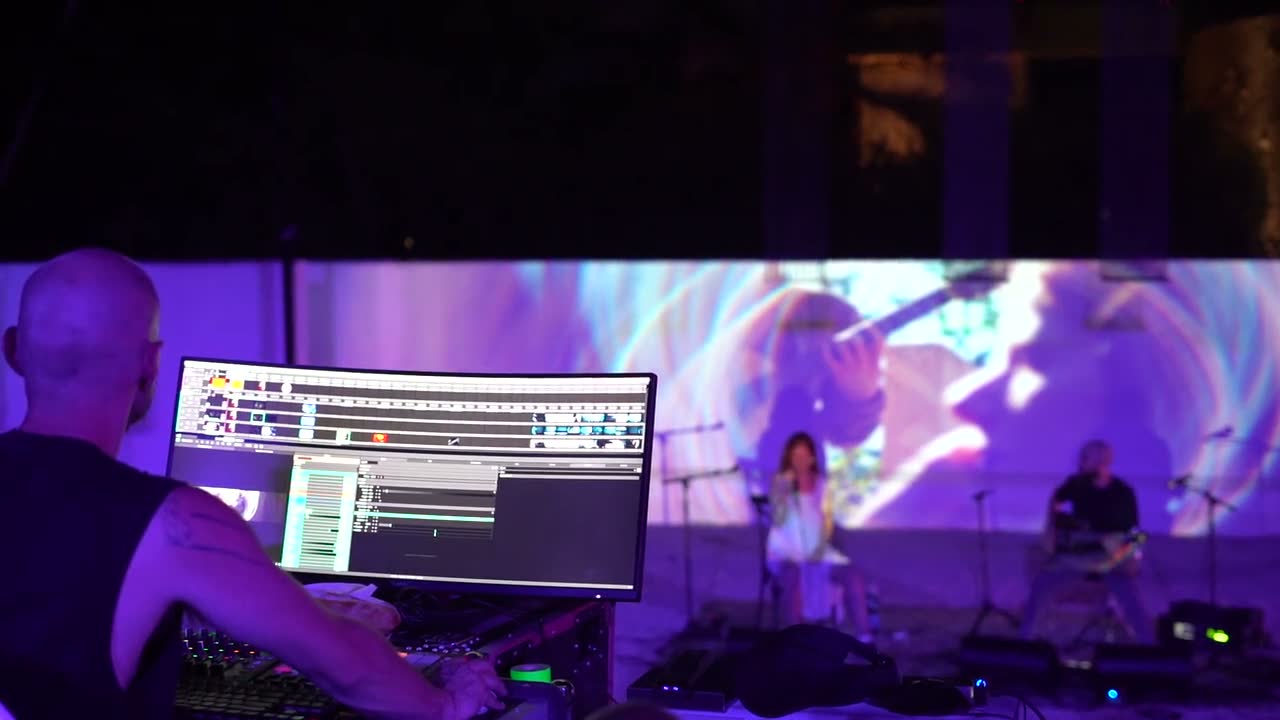
A VJ plays and mixes visuals live on the screens or the projection, in time with the music. At a concert, the VJ often runs a show built for the set; at a club night, the VJ plays the visuals through the night. At DepthLab, Zori Baazov mostly works with electronic music and wants the visuals to follow the arrangement of each set: its drops and breakdowns.
What is a timecode show?
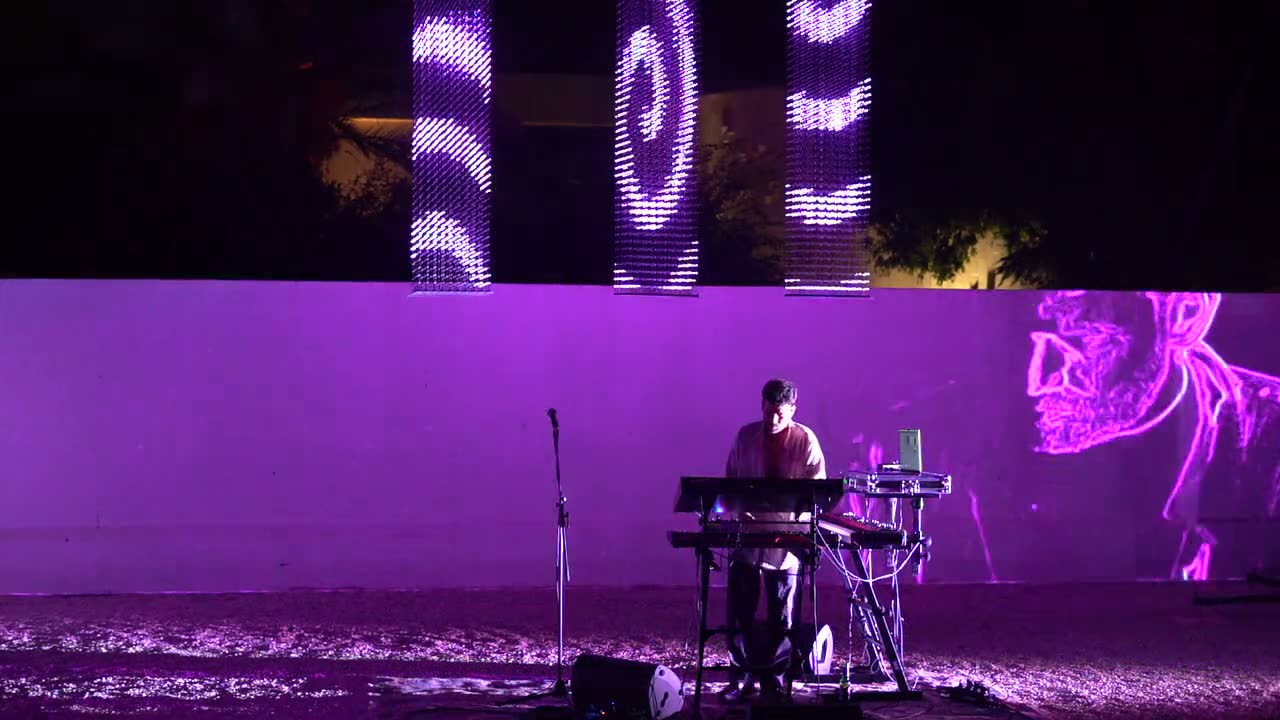
In a timecode show, the visuals are locked to the music by a shared time signal, so each cue lands at the same moment in the track at every show. The content is built for the set and organized in a cue list. In the Daskal live show, Zori also operates the visuals live at every date.
What is the difference between a timecode show, a live VJ set and audio-reactive visuals?
In a timecode show, every cue is locked to the track, so each cue lands at the same moment in the music at every date, as in Daskal's live show. In a live VJ set, the VJ plays and mixes the visuals live during the night, as at the club nights at Oman 17 in Tel Aviv, where Zori played live visuals as VJ. The third mode reacts to the sound: the visuals change as the music plays, as in the visuals DepthLab made for each song of Omri Smadar's live shows. The three can be combined in one show.
Can you build a visual show for an artist's live set and run it at every date?
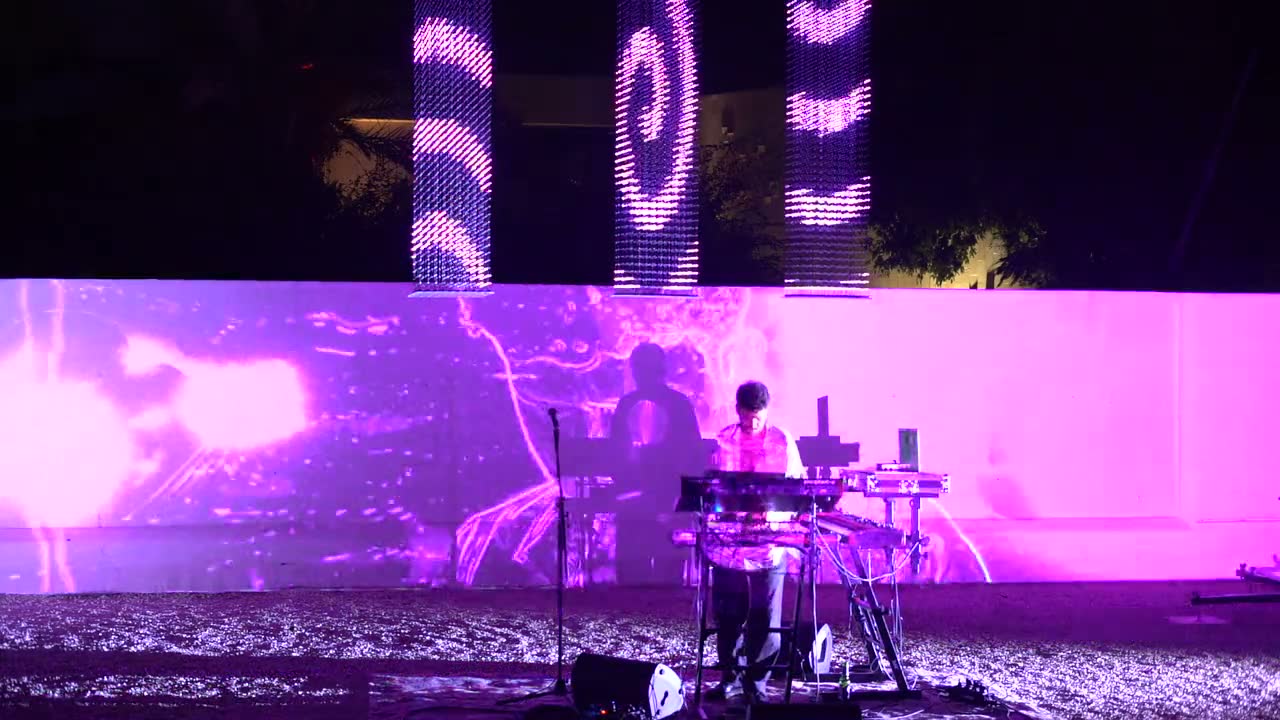
Yes. For Daskal, a keyboardist, composer and producer, the studio built a visual language for the set, synced the content to the music via timecode and set up a cue list. Zori runs the show live at every date.
Do you do visuals for fashion shows?
Yes. Zori Baazov started as a VJ in clubs, at parties and fashion shows, and VJ sets for fashion shows are part of DepthLab's live visuals service. Send the date, the venue and details of the screens or projection on site.
What does a VJ need from the venue or the production?
A VJ usually needs screens or a projector, a video connection from the control desk to the screens, power, and time on site to set up and test before doors open. Send the technical rider, the stage plan, the screen sizes and resolutions, and the schedule. If there are no screens yet, the studio can plan LED screens or projection with suppliers.
How much does a VJ or a live visual show cost in Israel?
DepthLab does not publish prices, because every show is different. The cost depends on the number of dates and stages, how much new content is needed, timecode programming, the screens or projectors, and the setup and rehearsal time. Send the details on Instagram or LinkedIn for a quote.
Do you work outside Tel Aviv, and in which languages?
Yes. DepthLab is based in Tel Aviv and works across Israel, with projects in Tel Aviv, Jerusalem, the Judean Desert and at Midburn in the Negev. Zori speaks Hebrew, English, Russian and Georgian.